

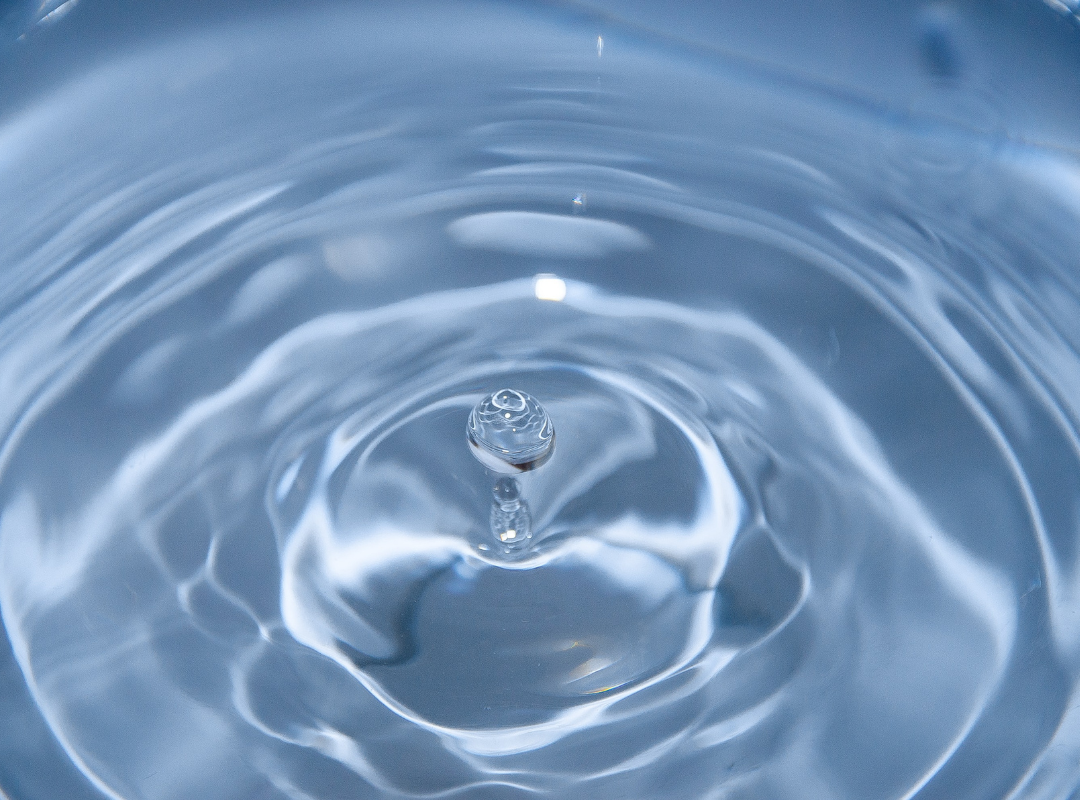
HOW MUCH WATER SHOULD I DRINK A DAY? DOES WATER PROVIDE MINERALS? DOES IT HYDRATE?
Water is essential for human beings; more than half of our body weight is water.

Men store more water than women because they have more lean mass.
In old age, a percentage of water is lost due to the loss of muscle mass and also if there is obesity, since lean tissue (muscle mass) accumulates more water than adipose tissue.
The general rule for water intake would be 2.5 to 3 liters per day depending on age and sex, since, although the requirements are higher at around 3.7 liters, we also absorb water contained in food.
Requirements may increase due to:
- The climate (heat, humidity…)
- Intense physical activity that produces an increase in sweating
- Having some type of pathology that involves vomiting and diarrhea.
However, water alone is not enough for hydration , as most waters have low mineral content, and increasing the consumption of water without electrolytes can lead to hyponatremia. This occurs when there is a significant loss of electrolytes, such as during sporting events, diarrhea, vomiting, or other illnesses where hydration is solely with water. This increases the volume of water in the blood, diluting the sodium and causing more water to migrate into the cells than they can handle, resulting in serious health problems.
How to easily tell if you are dehydrated:
- The urine has a dark and strong color; with normal hydration, the color should be clear.
- The skin is dry, and so is the oral mucosa.
- A rapid weight loss, from one day to the next in hours, also indicates that we have lost too much fluid, provided we are starting from a normal situation.
- And fatigue


Leave a comment
This site is protected by hCaptcha and the hCaptcha Privacy Policy and Terms of Service apply.