

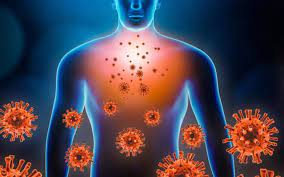
ROLE OF PHYSICAL EXERCISE ON THE IMMUNE SYSTEM
By Mario Redondo. Specialist in Physical Exercise and Cancer. Bachelor of Science in Physical Activity and Sports. Diploma in Physiotherapy.
It is well known that both physical exercise and physical activity improve the functioning of the immune system, although the mechanisms by which this occurs are still being investigated. In this article, we will try to explain some mechanisms that have been observed and that may help as a strategy against cancer, as well as other chronic diseases and aging. First, we will address the benefits of exercise on the immune system that have been demonstrated in the scientific literature in broad terms. Exercise has the ability to improve the aging of the immune system itself, known as immunosenescence (Duggal et al., 2019). It is capable of modulating the immune system through skeletal muscle. A dose of exercise can promote reduced senescence of CD57, CD28, CD4, and CD8 T cells, as well as induce apoptosis of certain senescent and fatigued T cells in order to increase the production of hematopoietic progenitor cells. Another highly relevant aspect is its ability to increase the number of naïve T cells, which allow us to fight infections and provide greater protection from vaccines. We want to highlight that a couple of years ago Campbell and Turner raised doubts about whether high-intensity or high-volume exercise could induce immunosuppression (Campbell & Turner, 2018), since sometimes the extraction techniques or areas do not represent what actually happens throughout the body, and there may also be factors that lead to errors and cause us to confuse the results.

Therefore, it is important to note that not all immune system cells respond to exercise in the same way. In fact, NK cells increase immediately after exercise, and antineoplastic effects mediated by catecholamines such as adrenaline and norepinephrine have been observed, as well as those mediated through exercise-dependent IL-6 (Hojman, 2017). We will address this topic, as well as lactate and the role of the immune system in exercise-mediated metastasis prevention, later on.
Exercise has the capacity to modify the macrophage phenotype, shifting from a pro-inflammatory M1 profile to an anti-inflammatory M2 profile (Lee et al., 2012). In this regard, chronic physical exercise produces interesting results for the rebalancing between M1 and M2 macrophages in tissues with chronic inflammation, such as adipose tissue.
Exercise has the capacity to modify the macrophage phenotype, shifting it from a pro-inflammatory M1 profile to an anti-inflammatory M2 profile (Lee et al., 2012). In this regard, chronic physical exercise produces interesting results for the rebalancing of M1 and M2 macrophages in tissues with chronic inflammation, such as adipose tissue. Additionally, some studies show that a physical exercise program (especially strength training) leads to the same rebalancing in skeletal muscle tissue with chronic inflammation.
Additionally, some studies show that a physical exercise program (especially strength training) leads to the same balance in skeletal muscle tissue with chronic inflammation. Furthermore, preventing obesity and maintaining adequate muscle mass also allows us to maintain a glutamine reserve to support our immune system, particularly in cancer where muscle function is compromised, potentially leading to cachexia and death. It's worth noting that cachexia is responsible for 20-40% of cancer deaths (Hardee et al., 2019).

Exercise has the capacity to modify the macrophage phenotype, shifting it from a pro-inflammatory M1 profile to an anti-inflammatory M2 profile (Lee et al., 2012). In this regard, chronic physical exercise produces interesting results for the rebalancing of M1 and M2 macrophages in tissues with chronic inflammation, such as adipose tissue. Additionally, some studies show that a physical exercise program (especially strength training) leads to the same rebalancing in skeletal muscle tissue with chronic inflammation.

Furthermore, preventing obesity and maintaining adequate muscle mass also allows us to maintain a glutamine reserve to help our immune system stay in good condition, especially in cancer where muscle function is compromised, potentially leading to cachexia and death, given that cachexia is responsible for 20%-40% of cancer deaths (Hardee et al., 2019).
Exercise, as well as maintaining adequate levels of physical activity, will help us through anti-inflammatory mechanisms, such as the secretion of anti-inflammatory myokines, reduction of TLR receptor expression in monocytes, decrease in visceral adipose tissue, conversion of M1 to M2 as we have discussed previously, or reduction of TNF- α (Gleeson et al., 2011).
The benefits of exercise on the immune system should be divided into a series of sections that will allow us to better understand the real reasons and their importance (Nieman & Wentz, 2019).
1. Acute and Chronic Effects of Physical Exercise on the Immune System: For this purpose, it is essential to understand that the benefits will depend on two training variables: volume (time or duration of exercise) and intensity (measured as a percentage of oxygen consumption, generally emphasizing intensities above 60% of oxygen consumption or VO2max). The antipathogenic activity of tissue macrophages occurs in parallel with the recirculation of immunoglobulins, anti-inflammatory cytokines, neutrophils, NK cells, cytotoxic T cells, and immature B cells, all of which play a critical role in defense activity and metabolic health. Intense exercise acutely mobilizes primarily NK cells, as well as cytotoxic CD8 T lymphocytes. Over time, exercise leads to increases in selective lymphocyte subsets, improving immunosurveillance and reducing inflammation. This can be highly relevant for specific populations, such as people with obesity or cancer who are often immunosuppressed due to treatments, as well as those with low-grade systemic inflammation. Metabolically speaking, chronic exercise improves levels of pro-inflammatory cytokines, thereby enhancing lipid and carbohydrate metabolism.
2. Improvement of the immune system at the intestinal level and improvement of the microbiome: Studies indicate that exercise and physical fitness diversify the intestinal microbiota, increasing the number of benign microbial communities.
3. Exercise and immunosenescence: Exercise can promote better aging or immunosenescence of the immune system by allowing for a turnover of immune cells. Several studies have observed that exercise enhances the following aspects related to immunosenescence:
- Better responses to vaccination strategies.
- Lower numbers of fatigued/senescent T cells.
- Increased proliferative capacity of T cells.
- Lower circulating levels of inflammatory cytokines (i.e., decreased “inflammatory aging”)
- Increased phagocytic activity of neutrophils.
- Decreased inflammatory response to bacterial challenge. Increased cytotoxic activity of NK cells.
- Longer leukocyte telomere lengths.
- Preservation of Thymus Function

In this article, we would like to highlight the role of lactate in its relationship to the functioning of the immune system. It is important to remember that lactate plays a fundamental role in immune system nutrition, as well as in cancer. In fact, many of the benefits obtained from physical exercise, both in healthy individuals and in special populations, are largely due to this metabolite, which is a regulator of the body's homeostasis rather than a waste product, as was believed years ago. Lactate plays a crucial role in the immune system.

It was observed that a group of mice that exercised showed an increase in the number of CD8 lymphocytes compared to mice that did not exercise. CD8 lymphocyte activity is directly related to greater antitumor activity, which does not occur with regulatory T lymphocytes, which in cancer can lead to immunosuppression. The reason why the exercising mice had a higher number of CD8 cells and a better CD8 lymphocyte/regulatory T lymphocyte ratio (which is associated with a better prognosis) is because the lactate produced by exercise helps nourish immune system cells, resulting in greater antitumor activity, as well as inhibiting regulatory T lymphocytes.
One key finding of the study is that when CD8 lymphocytes from exercising mice were injected into non-exercising mice, their survival and prognosis improved (Rundqvist et al., 2020). Similar findings have been observed regarding IL-6 released during exercise, which activates the immune system; these benefits have always been exercise-dependent (Pedersen et al., 2016).
We have studies demonstrating how lactate activates various checkpoints, such as PD-L1, which are not expressed when lactate is inhibited (Kumagai et al., 2022). Therefore, this may explain other studies showing that those with better physical condition and muscle mass...
They respond better to immunotherapy drugs such as Nivolumab or pembrolizumab in patients with small cell lung cancer (Shiroyama et al., 2019).
The exercise has been shown in mouse models,
It reduces tumor size by 67% thanks to the action of catecholamines, which mobilize immune system cells such as natural killer cells, allowing them to infiltrate the tumor (Pedersen et al., 2016). It can also deprive the tumor of its substrate or increase the partial pressure of oxygen, creating a less hypoxic environment and thus conferring less malignancy with a lower likelihood of metastasis (Wiggins et al., 2018). Furthermore, certain myokines released by muscle contraction can counteract the tumor; among these, SPARC has been shown to decrease tumorigenesis in colon cancer, as have oncostatin and irisin (Fiuza-Luces et al., 2013).
Another benefit comes from the reduction of lactate and the Warburg effect, thereby decreasing the likelihood of angiogenesis and cell proliferation (Hofmann, 2018). These benefits have also been demonstrated in certain patient models through alterations in different biomarkers, such as a reduction in Ki-67, a marker of cell proliferation, or an increase in the pro-apoptotic protein Bax, which belongs to the Bcl-2 family.

These benefits, demonstrated in murine or in vitro models, are the lines of research that exercise science and oncology, as Lee Jones comments, should begin to orient themselves towards.
Because it is the true cause and justification for why physical exercise is irreplaceable as well as extremely important.
In a recent 2022 article published in the journal Frontiers in Pharmacology, the authors discuss the possibility in animal models and in vitro cells that intense physical activity may have the ability to attenuate certain mechanisms of the metastasis process, largely mediated by the improvement and action of the immune system (Zheng et al., 2022).
The article discusses how the immune system plays a fundamental role in controlling circulating tumor cells to prevent invasion, intravasation, circulation, extravasation, and colonization. Metastasis is responsible for 90% of cancer deaths, with the average patient survival being 5 years (Steeg, 2016). Therefore, elucidating and understanding the mechanisms by which exercise protects against metastasis is crucial.
Some of the arguments and approaches relate to improved NK cell infiltration of the tumor through catecholamines such as epinephrine. Exercise prevents the polarization of M1 to M2 macrophages, which are associated with tumor progression and metastasis. Improved tumor perfusion and oxygenation have also been observed, normalizing the vasculature and resulting in a less hypoxic and more manageable tumor. The release of certain metabolites, such as lactate, through exercise allows for better CD8 T lymphocyte function, as well as improved antitumor capacity. Finally, we want to highlight that exercise reduces the formation of circulating platelet-tumor cell complexes, leading to less adhesion to the endothelium and, consequently, a lower risk of metastasis.

Exercise alters the immunological composition of the tumor microenvironment, decreasing the proportion of innate immune cell populations (macrophages and MDSCs) and increasing CD3+ T cells and NK cells. Furthermore, the ratio of CD8+ T cells to regulatory T cells (Tregs), as well as the activation of CD8+ (CD69+) T cells, increases with exercise. Exercise has the capacity to alter the metabolism of the tumor microenvironment. Decreased hypoxia and increased vascularization occur alongside decreased levels of lactate and MCT1; the relative concentrations of TCA cycle metabolites also decrease. Increased intratumoral AMPK activity and decreased AKT, mTOR, PI3K, and p42/p44 MAPK activity have been reported with exercise. T cells and NK cells are necessary for exercise-induced tumor inhibition in mouse cancer models as we have discussed previously, as well as being highly dependent on physical exercise at a certain intensity; all of these are proposed immunometabolic mechanisms that may boost exercise-induced inhibition or delay tumorigenesis and enhance the action of the immune system.
The musculoskeletal system is fundamental for preserving the proper function and action of the immune system. In fact, several articles refer to sarcopenia, understood as a loss of muscle mass and function below healthy minimums, as a risk factor for impaired immune system aging (Nelke et al., 2019). The increase in pro-inflammatory cytokines due to physical inactivity in many individuals during premature aging leads to low-grade systemic inflammation with elevated levels of TNF-alpha, IL-6, and CRP, which induces a catabolic process. This loss of muscle mass leads to impaired immune system regeneration through pleiotropic effects. Sarcopenic patients have a higher risk of infection due to immune system incompetence, as they possess lower glutamine reserves, this amino acid being crucial for the proper maintenance of the immune system (Cruzat et al., 2018).
In the case of cancer, cachexia is considered an extreme state of muscle mass loss, with or without fat mass loss (Baracos et al., 2018).
This condition is characterized by high-grade inflammation, in which many systems and organs are affected.
Regarding the immune system, it has been observed how it contributes to the release of pro-inflammatory cytokines, altering the clinical picture (Schmidt et al., 2018). Low levels of hemoglobin, platelets, and neutrophils have also been observed in cachectic patients, negatively impacting their health. In fact, a high neutrophil-to-lymphocyte ratio (NLR) is associated with weight loss (Barker et al., 2020).
Low muscle mass in addition to an NLR greater than 3 is associated with twice the risk of death and worse prognosis, regardless of age, disease stage, sex or BMI in patients with non-metastatic colon cancer (Cespedes Feliciano et al., 2017).
Once the disease is established, the tumor itself secretes various cytokines, such as TNF- α , which inhibits myocyte differentiation, and interleukin-6, which leads to increased protein catabolism, insulin resistance, and activation of the proteasome-ubiquitin system. Maintaining sufficient muscle mass, both in quantity and quality, is crucial, as we can see in cancer, both to prevent cachexia and to maintain a healthy immune system.
Physical fitness and body composition appear to be two key aspects in maintaining a competent immune system; in fact, subjects with better cardiorespiratory fitness,
as well as having higher levels of strength and better immune system function. This is largely due to all the factors we have previously discussed that have a positive impact: reduction of visceral adipose tissue, reduction of low-grade systemic inflammation, improvement of the microbiota composition, reduction of oxidative stress, regulation of the lipid profile, as well as regulation of blood glucose levels and better metabolic flexibility (Gleeson et al., 2011).
Finally, we would like to highlight how better cardiorespiratory fitness has been associated with lower hospitalization rates in people with COVID-19 (Brandenburg et al., 2021). This is largely due to improved immune system function, as well as a reduction in known risk factors that can lead to a fatal outcome.
Finally, it is important to remember that the mechanisms by which exercise enhances the action of the immune system are multiple. Another aspect of immunometabolism is the relationship between mitochondria and the immune system, as mitochondria are responsible for the activation, differentiation, and survival of immune cells. They can release signals through mitochondrial DNA to regulate the transcription of immune cells. Mitochondria have been shown to regulate immunity in different ways. First, alterations in metabolic pathways (TCA cycle, oxidative phosphorylation, and FAO), based on transcriptional changes induced by mitochondria, can lead to completely different outcomes in immune cells.
For example, M1 macrophages exhibit an altered TCA cycle and have a pro-inflammatory role. Conversely, M2 macrophages undergo β -oxidation to produce anti-inflammatory responses. Furthermore, the metabolism of amino acids, especially arginine, glutamine, serine, glycine, and tryptophan, is crucial for T cell differentiation and macrophage polarization. Secondly, mitochondria can activate the inflammatory response.
For example, mitochondria can activate mitochondrial antiviral signaling and NLRP3. Third, fission and fusion, which are part of mitochondrial dynamics, can
Mitochondria influence mitochondrial mass and mobility, which in turn can affect immune function. Finally, mitochondria are located near the endoplasmic reticulum (ER) in immune cells. Therefore, signaling at mitochondrial and ER junctions can also influence immune cell metabolism, with exercise acting as a regulator of mitochondrial biogenesis and function (Angajala et al., 2018).



Leave a comment
This site is protected by hCaptcha and the hCaptcha Privacy Policy and Terms of Service apply.