

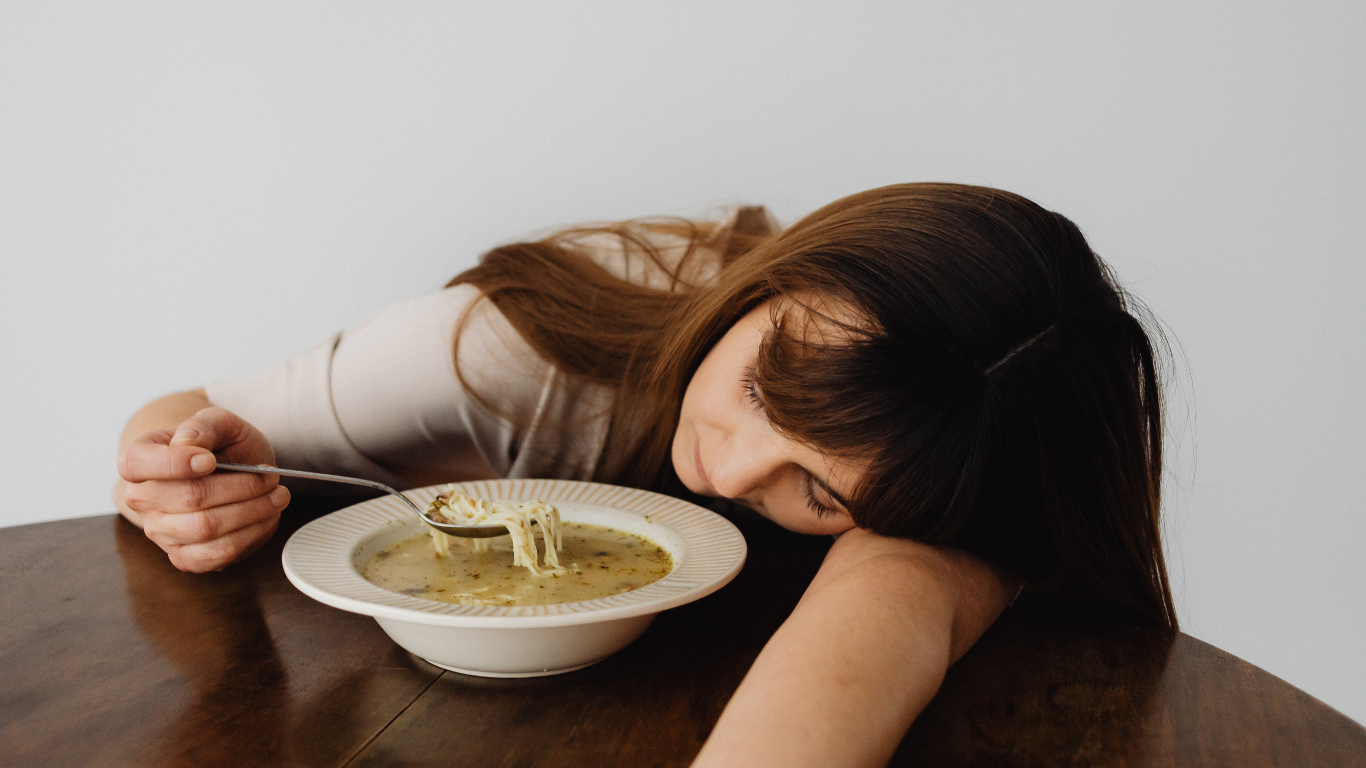
How what you eat and drink influences your stress (and your cortisol levels)
What you eat and drink not only affects your long-term health, but also directly influences how you feel on a daily basis : nervousness, irritability, anxiety, energy levels, sleep quality, and your ability to manage everyday stress.
Although stress is often associated solely with emotional factors, the body constantly responds to physical signals. Lack of energy, nutrients, or water is interpreted as a threat, and one of the most common responses is an increase in cortisol.
What is cortisol and why is it related to stress?
Cortisol is an essential hormone for survival. It helps us wake up in the morning, maintain stable blood glucose levels , and respond to stressful situations.
The problem arises when cortisol levels remain elevated for too long, a common occurrence in today's fast-paced lifestyle. When this happens, anxiety, irritability, difficulty sleeping, persistent fatigue, and a constant feeling of tension can develop.
Diet and hydration directly influence this hormonal balance.
How food can help you reduce stress
Blood sugar stability

Eat enough and don't skip meals
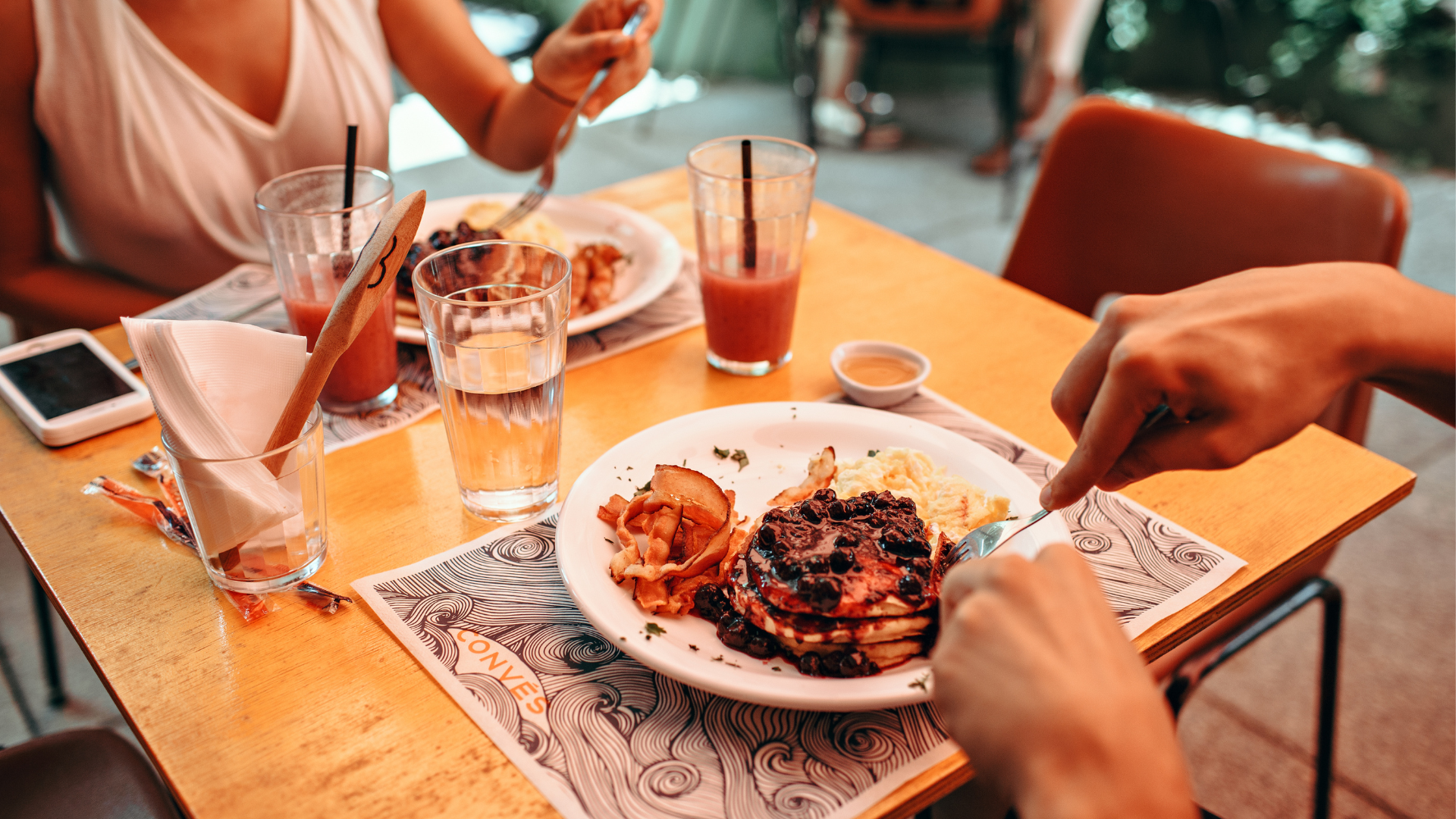
Skipping meals or eating very little raises cortisol levels, as the body interprets the lack of energy as an emergency. This explains why many people feel more sensitive to stress, more emotionally reactive, or have a lower tolerance for daily life when they don't eat regularly.

When food becomes a source of stress
Excess sugar and refined foods
Frequent consumption of pastries, sugary drinks and refined products generates a cycle of energy high and low that increases irritability and anxiety.
Ultra-processed foods and digestion
Ultra-processed foods often worsen digestion and overall energy levels. When digestion isn't functioning properly, the body enters a state of physiological stress that ultimately affects mood.
Eating late or in a disorderly manner
Eating very late or at irregular times affects sleep. And when rest is insufficient, cortisol levels are already higher the next day, making everything more stressful.
Drinks that directly influence stress
Caffeine
Caffeine can be helpful if a person is well-rested, but when stress is already present, it can increase palpitations, restlessness, and nervousness. In many people, it also interferes with sleep if consumed after mid-afternoon.
Alcohol
Alcohol may produce an initial feeling of relaxation, but subsequently worsens sleep quality and increases anxiety the next day, even in moderate amounts.
Hydration, cortisol and stress: a real relationship
What happens when you drink too little water?
Even mild dehydration is interpreted by the body as physical stress. To compensate, hormonal systems designed to conserve fluids and maintain blood pressure are activated.
In many people, this state is also associated with higher or more sustained cortisol levels, which promotes feelings of tiredness, headache, difficulty concentrating, irritability, or mild palpitations.
When is the lack of water most noticeable?
The relationship between dehydration and stress is accentuated in situations of heat, intense exercise, high caffeine consumption, very salty diets without enough water, or lack of sleep.
A practical sign of good hydration is that urine is light yellow for most of the day.

Simple changes that really help
Simple adjustments in your daily routine
Small changes can make a big difference: start the day with a glass of water, drink enough water with meals, ensure a first meal with protein, and reduce coffee when feeling nervous.
Eating a lighter dinner if sleep is fragile and maintaining regular meal times also contributes to a better cortisol balance.
Conclusion
Stress isn't just about what's going on in your mind. Your body constantly responds to what you eat and drink, and when it detects deficiencies, it goes into alert mode.
Maintaining a balanced and sufficient diet and good hydration does not eliminate everyday problems, but it does allow the body to be in better condition to manage them.
In many cases, reducing stress starts with something as basic as eating better and drinking more water .

Leave a comment
This site is protected by hCaptcha and the hCaptcha Privacy Policy and Terms of Service apply.