

Orthomolecular diet: How to do it step by step?
We've already discussed orthomolecular nutrition on our blog and how it works at the cellular level to balance the body's biochemistry. In this article, we go a step further: if you want to incorporate this approach into your daily life, you need to know how to apply an orthomolecular diet practically and consciously.
Orthomolecular nutrition isn't about counting calories or following fads, but about providing your body with the right nutrients in the right amounts to support optimal function. It's about eating intelligently, in a personalized way, and in alignment with your body's true needs.

What exactly is the orthomolecular diet?
The orthomolecular diet is a way of eating focused on preventing and correcting biochemical imbalances through food. Its main objective is to optimize cellular function , improving nutrient absorption and reducing the body's toxic load.
Unlike other more restrictive or generic diets, this approach focuses on absolute individualization , taking into account:
- Genetics.
- Age.
- Physical activity.
- Stress.
- Current health status.
- Environmental exposure.
Key foods in orthomolecular nutrition
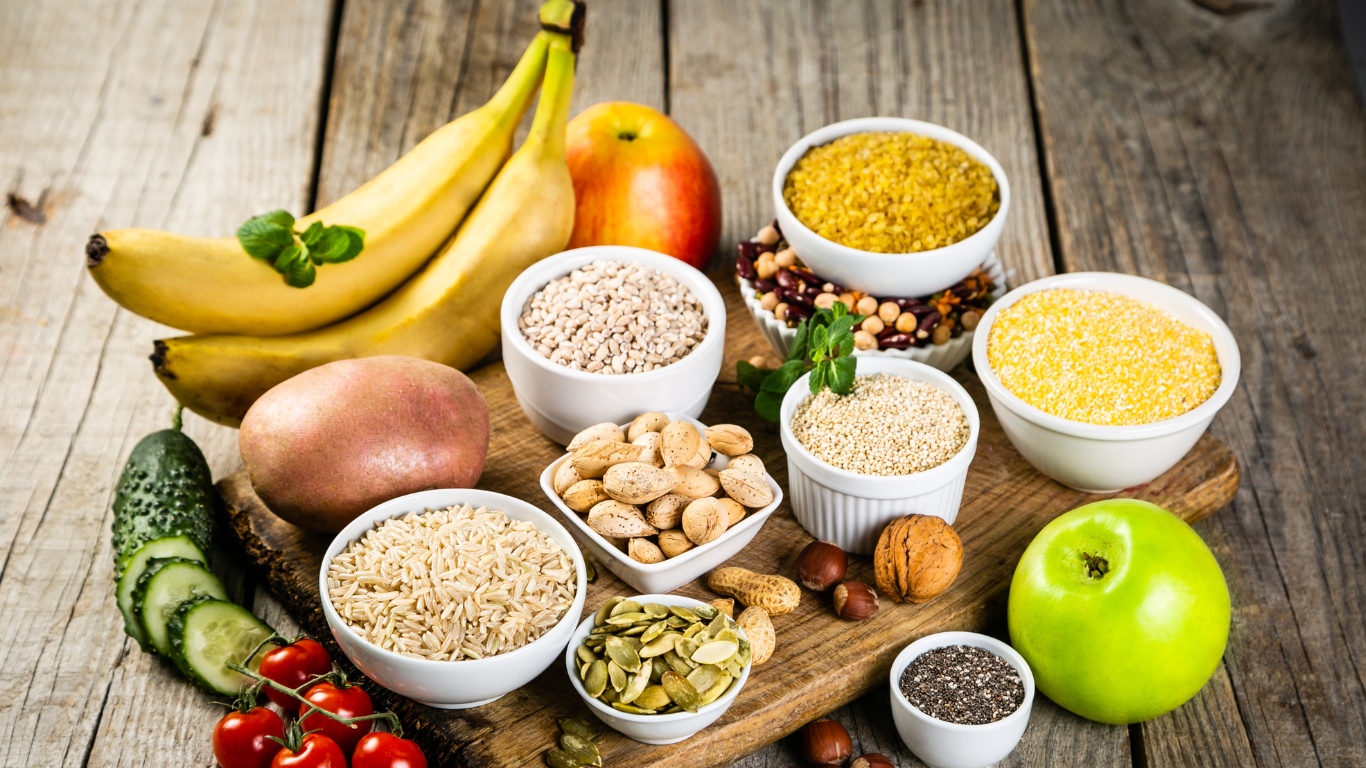
Although each plan should be personalized, there are certain foods that form the basis of a healthy orthomolecular diet:
Functional and nutrient-dense foods:
- Leafy green vegetables (spinach, kale, arugula).
- Fruits rich in antioxidants (blueberries, pomegranate, kiwi).
- Healthy fats (avocado, nuts, chia or flax seeds).
- Clean proteins (oily fish, quality eggs, well-cooked legumes).
- Naturally fermented foods (kefir, sauerkraut, natural yogurt).
Foods to avoid or limit:
- Ultra-processed foods and added sugars.
- Refined flours and industrial vegetable oils.
- Foods with artificial additives.
- Excessive alcohol.
Practical pillars to follow an orthomolecular diet

- Variety, color and freshness : the more colors your plate has, the more phytochemicals you are consuming.
- Mindful cooking : prefer gentle techniques (steaming, baking, short stir-frying).
- Avoid excessive food combinations : simplify to improve digestion and absorption.
- Nighttime digestive fast : at least 12 hours between dinner and breakfast.
- Real hydration : filtered water, mild herbal teas, homemade broths.
Are supplements needed in the orthomolecular diet?
Yes. Although a good dietary foundation is essential, the orthomolecular diet is often complemented with specific supplements to correct deficiencies, optimize metabolic processes , and facilitate a better adaptive response to the environment.
Factors such as stress, pollution, cellular aging, an altered microbiota, or the poor quality of agricultural soils mean that, even when eating well, we sometimes fail to meet all the body's needs.
Recommended supplements to enhance the orthomolecular diet
At Naturemost , we develop highly bioavailable supplements designed to be easily integrated into a personalized orthomolecular diet . Here are some essentials:
Essential for the immune system, calcium absorption, and mood.
Extracted from lanolin with safflower oil for maximum absorption.
1 pearl/day with food.
Vitamin C-1,500 with rosehip and bioflavonoids
Powerful antioxidant with sustained release. Helps protect cells from oxidative stress and improves iron absorption.
1 tablet/day.
Icelandic Kelp – Natural Iodine
Source of iodine extracted from Icelandic kelp. Supports thyroid function and basal metabolism.
1 tablet/day. Dose-dependent action.
Triple antioxidant action. Strengthens the immune system, protects against cellular aging, and promotes fertility.
1 tablet/day with food.
Who is this diet suitable for?
The orthomolecular diet is ideal for people seeking a preventative and mindful approach to their health. It is especially useful in cases of:
- Chronic fatigue or low energy.
- Hormonal imbalances.
- Inflammatory or autoimmune processes.
- High oxidative stress.
- Nutritional deficiencies.
- Prevention of premature aging.
Important: It should always be designed with professional guidance and, if supplements are included, under personalized advice.
Nourish your cells, transform your health
Orthomolecular nutrition goes far beyond "eating healthy." It's about understanding what your body needs, how it metabolizes food, and how to optimize each cell with the right nutrients.
At Naturemost , we help you build that foundation with effective, safe products backed by over 30 years of experience. Because it's not just about feeding yourself… it's about nourishing yourself precisely .


Leave a comment
This site is protected by hCaptcha and the hCaptcha Privacy Policy and Terms of Service apply.