

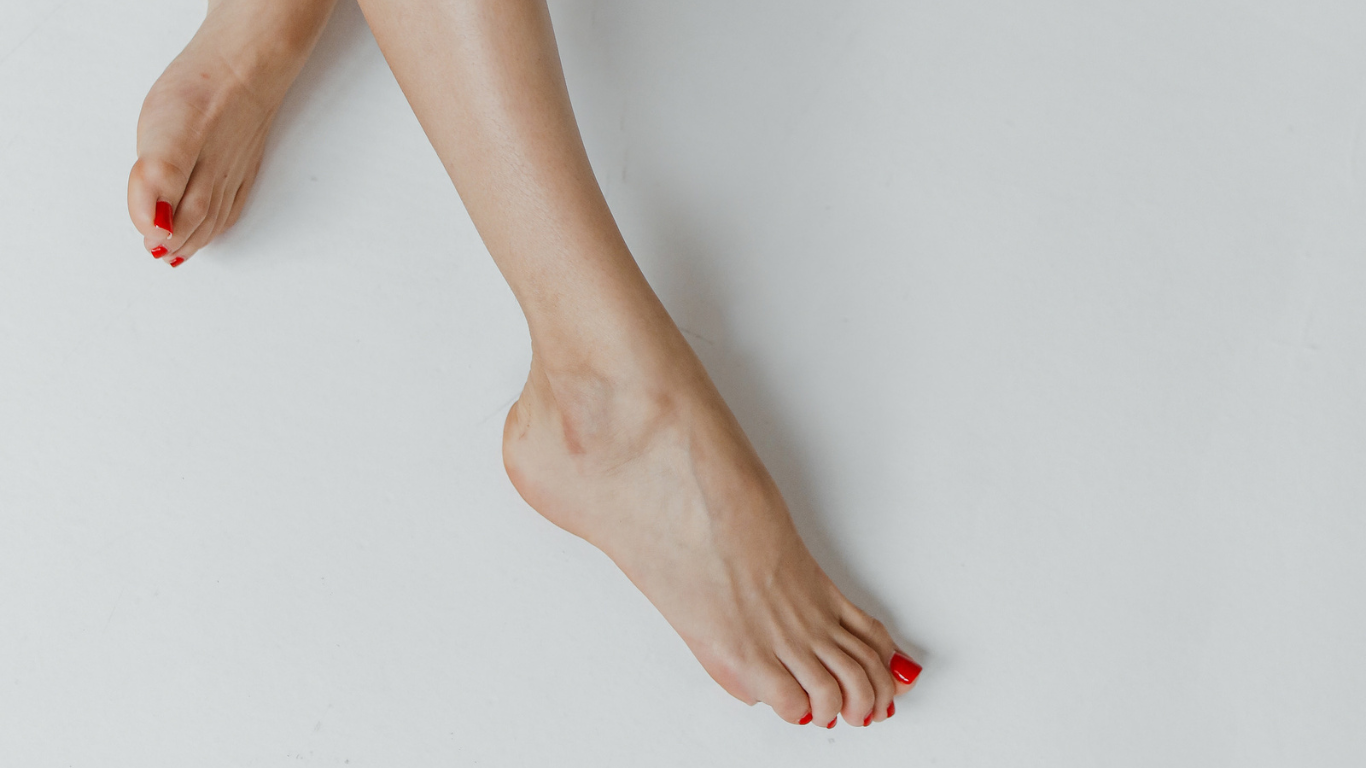
How to get rid of water retention in summer
With the arrival of warmer weather, many people start to notice very characteristic symptoms: a feeling of bloating, heavy legs, swollen ankles, or rapid weight changes from one day to the next.
In most cases, this is not a real increase in body fat, but something much more common during summer: fluid retention.
High temperatures, hormonal changes, diet, and a sedentary lifestyle can alter the body's water balance and promote the accumulation of water in tissues.
Why we retain more fluids in summer
Heat causes blood vessels to dilate to help the body regulate temperature.
This process makes it easier for some fluid to move into the tissues, especially in the legs and ankles, leading to a feeling of bloating.
In addition, other factors often coincide during the summer that worsen this situation:
- Spending more hours sitting or standing
- Long journeys
- Excessive salt in the diet
- Poor hydration
- Hormonal changes
- Less physical activity
All of this hinders venous return and normal fluid balance.
Fluid retention and weight fluctuations
Many people are surprised to see rapid weight changes during the summer.
However, gaining one or two kilograms in a few days rarely corresponds to body fat. In most cases, it is due to fluid accumulation.
When the body retains water, this accumulation can quickly be reflected on the scale and be accompanied by:
- Sensation of swelling
- Bloated abdomen
- Heavy legs
- More visible marks from socks or tight clothing
Therefore, understanding the difference between fat and retention is important to avoid unnecessary frustration.
The role of potassium in fluid balance
One of the most important minerals in water regulation is potassium.
The balance between sodium and potassium helps control how the body distributes and eliminates water. When there is an excess of sodium and a relative deficit of potassium, the tendency to retain fluids increases.
Potassium contributes to:
- Promoting fluid balance
- Supporting muscle function
- Helping normal kidney function
Therefore, a diet rich in fruits, vegetables, and fresh foods usually helps improve fluid retention.
Phytotherapy and mild diuretics: a classic and effective strategy
For decades, different medicinal plants have been used to promote the physiological elimination of fluids.
Unlike intense pharmacological diuretics, phytotherapy seeks a more progressive and gentle effect, helping the body restore its water balance without causing abrupt changes.
Extracts such as:
- Birch
- Horsetail
- Orthosiphon
- Parsley
- Meadowsweet
-
Nettle
Are widely used for their ability to promote fluid elimination and support kidney function. In addition, many of these plants provide interesting antioxidant and anti-inflammatory compounds in contexts of swelling and circulatory heaviness.
Tips to reduce fluid retention in summer
Beyond supplements, there are simple habits that can make a big difference:
Maintaining good hydration is essential. Many people drink less water when retaining fluids, but the opposite is true: insufficient hydration further promotes accumulation.
It also helps to reduce excessive salt and ultra-processed foods, increase the consumption of fresh fruits and vegetables, and stay physically active.
Walking, moving your legs, and avoiding remaining seated or standing for too many hours promotes venous return and fluid elimination.
For people sensitive to heat, elevating the legs at the end of the day can also help reduce the feeling of heaviness.
Depurdren: natural support to eliminate fluids and reduce swelling

When fluid retention becomes persistent, specific formulas can help support the urinary system and promote the elimination of accumulated water.
Depurdren combines 18 ingredients including minerals and phytotherapy extracts selected to support kidney function and water balance.
Its formula includes potassium sources along with plants traditionally used for their mild diuretic action, such as birch, horsetail, orthosiphon, parsley, and meadowsweet.
It also incorporates ingredients aimed at urinary well-being and maintaining a balanced urinary environment.

In most cases, two tablets daily are sufficient as temporary support until retention is reduced and the feeling of lightness is restored.
Conclusion
Fluid retention is particularly common during summer and can cause bloating, a feeling of heaviness, and rapid weight changes that are often unrelated to body fat.
Heat, a sedentary lifestyle, diet, and mineral imbalances play an important role in this process.
Maintaining good hydration, a healthy diet, and supporting the body with minerals like potassium and phytotherapy extracts can be a useful strategy to restore fluid balance and feel lighter during the warmer months.



Leave a comment
This site is protected by hCaptcha and the hCaptcha Privacy Policy and Terms of Service apply.