

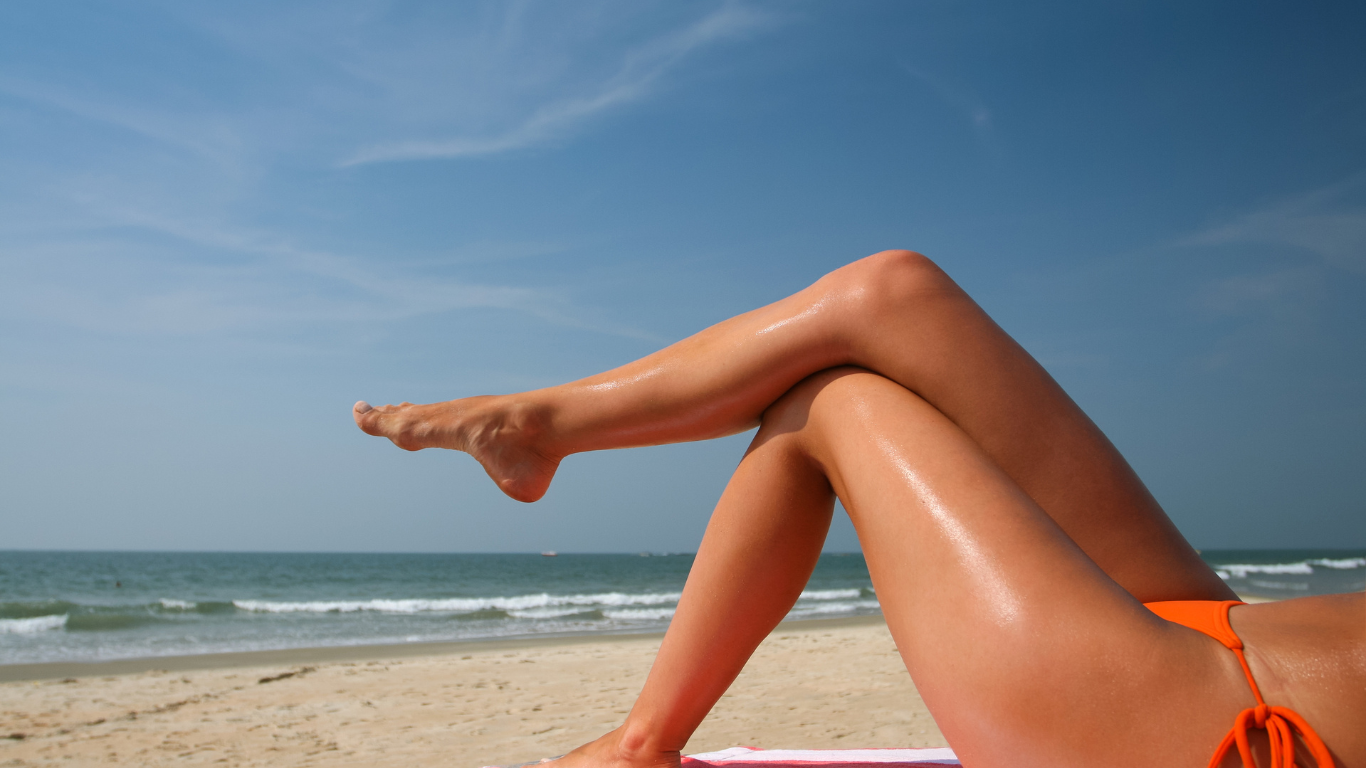
Beta-carotene and skin: why not all are the same and how they protect your skin from within
When we talk about beta-carotene, it is often directly associated with tanning. However, this view is incomplete. Beta-carotene is, first and foremost, a key functional compound in skin protection.
And there is a fundamental point that is often overlooked:
Not all beta-carotenes are the same, and that difference determines their real effectiveness on the skin.
Not all beta-carotenes act the same on the skin
Beta-carotene can occur in different chemical forms, mainly as:
- Cis isomers (natural form)
- Trans isomers (more common in synthetic or lower quality versions)
This difference is not only structural, but also functional.
Beta-carotene in its cis form, present in natural sources such as Dunaliella salina, has:
- Greater antioxidant activity
- Better integration into cell membranes
- Greater interaction with skin tissues
Conversely, trans forms, while more stable, have lower biological activity.
This means that the quality of beta-carotene directly influences its ability to protect the skin.
How beta-carotene acts on the skin
Beta-carotene is a fat-soluble compound that accumulates in the skin, where it performs key functions at the cellular level.
One of the most important is its ability to integrate into cell membranes, acting as a barrier against oxidative damage.
From this position, it helps to:
- Protect membrane lipids
- Stabilize cellular structures
- Reduce damage caused by solar radiation
This effect is especially relevant because cell membranes are one of the first structures affected by environmental stress.
Antioxidant action against sun damage
Sun exposure generates free radicals that can damage skin cells and accelerate skin aging.
Beta-carotene acts as a skin antioxidant, neutralizing these molecules and helping to limit processes such as:
- Lipid peroxidation
- Collagen degradation
- Cumulative cellular damage
By accumulating in the skin, it helps reinforce the tissue's antioxidant capacity, functioning as an internal protection against sun stress.
More than tanning: a better skin response to the sun
Tanning is a natural skin response to UV radiation, but it does not depend solely on melanin.
The tissue's antioxidant status also influences how the skin responds to the sun.
When the skin is better protected against oxidative damage:
- The skin's response to the sun is more balanced
- Skin stress decreases
- The tone can be more uniform and long-lasting
In this sense, beta-carotene does not act as a "tanning accelerator", but as a modulator of the skin's response to the sun.
Dunaliella salina: a source adapted to extreme conditions

Among the extracts of Dunaliella salina, the Betatene® patent represents a high standard of quality.
Its main characteristic is that it maintains the natural profile of the algae, with a high proportion of beta-carotene in cis form, which favors its biological activity.
This allows better use of its protective effects on the skin.
Conclusion
Beta-carotene is a key component within the skin's defense system. Its ability to act as an antioxidant and protect cell membranes makes it an important ally against environmental damage.
However, not all beta-carotenes are the same. Natural forms, rich in cis isomers, offer greater biological efficacy and better interaction with tissues.
Understanding this difference allows us to go beyond the concept of tanning and focus on beta-carotene as what it really is: a tool for skin protection from within, based on mechanisms that have been with us since evolution.

Leave a comment
This site is protected by hCaptcha and the hCaptcha Privacy Policy and Terms of Service apply.