

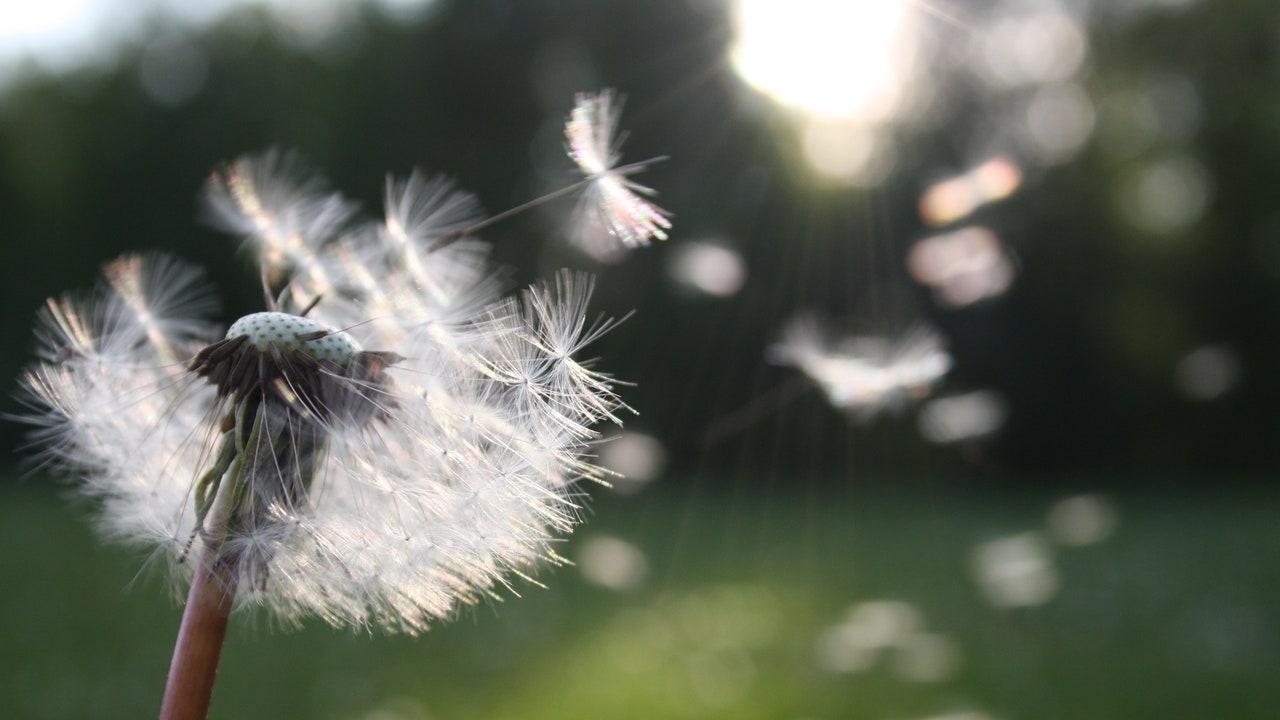
Pollen allergy: everything about the most common allergy in the population
Seasonal pollen allergy is the most common allergy, a nuisance affecting 8 million Spaniards. But why does this happen? What happens to our bodies to trigger an allergic reaction ? And why are more and more people developing allergies? Read this article to find out!
The causes of allergies are not clear, but since some people are allergic and others are not, it is most likely that it may be of genetic origin, acquired through lifestyle habits, early exposure to allergens or pollution, among other things.
What is clear is that allergy sufferers are increasing worldwide, and climate change is expanding the seasonal periods in which pollen allergies occur , since the months with the highest allergy symptoms tend to be the warmer ones. There is also an increase in cases of people who suffer from year-round, not just seasonal, pollen allergies.
NATUREMOST FACT: You can be allergy-free for many years and then suddenly develop allergies. If you have typical symptoms, it's worth getting tested even if you think it's impossible because you've never had allergies before. Allergies can even change over the years.
In our country, pollen allergies begin at the end of February but reach their peak in April and May. However, as we mentioned before, due to the increase in temperatures, we have recurring outbreaks from February onwards.
How does the physiology of pollen allergy work ?
When pollen molecules enter our nose, they are recognized as pathogens by our immune system, which increases the synthesis of immunoglobulin E (IgE) by lymphocytes. These, through chemotaxis, recruit eosinophils and mast cells that release histamine, producing the allergic reaction .
Seasonal pollen allergy is classified as type 1 hypersensitivity and is similar to allergies to dust, mites, insect bites, food allergies ...
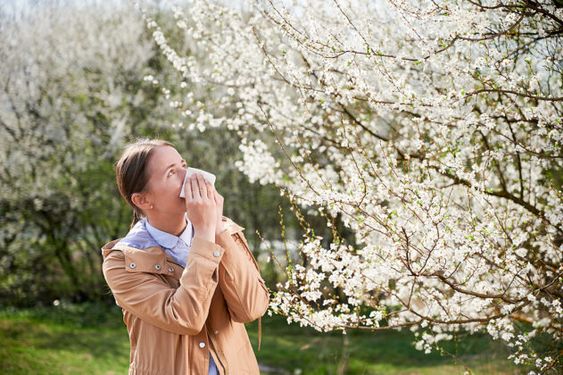
The peak of symptoms occurs 15 minutes after contact with the allergen, and these symptoms include itching, runny nose, and watery eyes. It can also lead to asthma and conjunctivitis. Each person may experience different symptoms depending on their severity of allergy.
The best treatment is to avoid allergens and use external aids to alleviate symptoms if we cannot escape them.
FALSE MYTHS: Being in contact with your allergen won't cause you to develop antibodies. In fact, it's best to avoid it altogether.
Pharmacological treatment for pollen allergies is conventionally carried out with nasal corticosteroids to reduce the immune response and with antihistamines. These medications have side effects because, by blocking endogenous histamine receptors, they produce effects such as brain fog, drowsiness, gastrointestinal problems, immunosuppression, and vision problems. All these effects are listed in the package insert of the specific medication.
How does our CNF Aller perform compared to a natural antihistamine?
CNF Aller is a natural antihistamine that works perfectly for pollen allergies and can be a suitable alternative to prescription antihistamines. Its delicate formula contains various cofactors that stimulate the synthesis of DAO and MAO enzymes , as well as herbal extracts that strengthen your immune system and reduce inflammation caused by the allergen.

Its function is both to prevent allergic processes, and to act directly once we are already experiencing an allergy, helping us to reduce symptoms and resolve the allergy naturally .
This means that it will not only help us fight allergies , but also make us less allergic in the long term .
And all of this in a completely safe way, without creating any of the associated adverse effects that pharmacological antihistamines do have.
Recommended dosage: 1 tablet with each meal (1-1-1) or in case of a severe allergic reaction we recommend increasing the dose as shock therapy to 2 tablets with each meal for 3 days (2-2-2)

Besides taking this supplement, what else can you do? We're going to give you a series of recommendations to improve your habits if you're allergic to pollen:
- On days with high pollen counts, try to stay indoors as much as possible .
- Include vitamin C in your diet (lemon, orange, spinach, broccoli, peppers, cauliflower, etc.) as this vitamin acts as a natural antihistamine.
- Avoid eating cured products during the allergic process, such as sausages and cheeses, as these contain food-borne histamine.
- If you are going to use the car, keep the windows closed .
- Air conditioning pollen filters help ; you can put them in both your home and car, as long as you remember to change them.
- It is advisable to wear sunglasses to prevent pollen from getting into your eyes.
- Pollen can also remain on clothing. When you get home, it's recommended that you shower and change your clothes .
- Try to avoid outdoor activity during the following times: between 5 and 10 a.m. and between 7 and 10 p.m., as there is usually a greater accumulation of pollen during those hours.
REMEMBER!: There is no cure for most allergies, so it's best to take care of yourself to manage them as best as possible by following these simple recommendations.


Leave a comment
This site is protected by hCaptcha and the hCaptcha Privacy Policy and Terms of Service apply.