

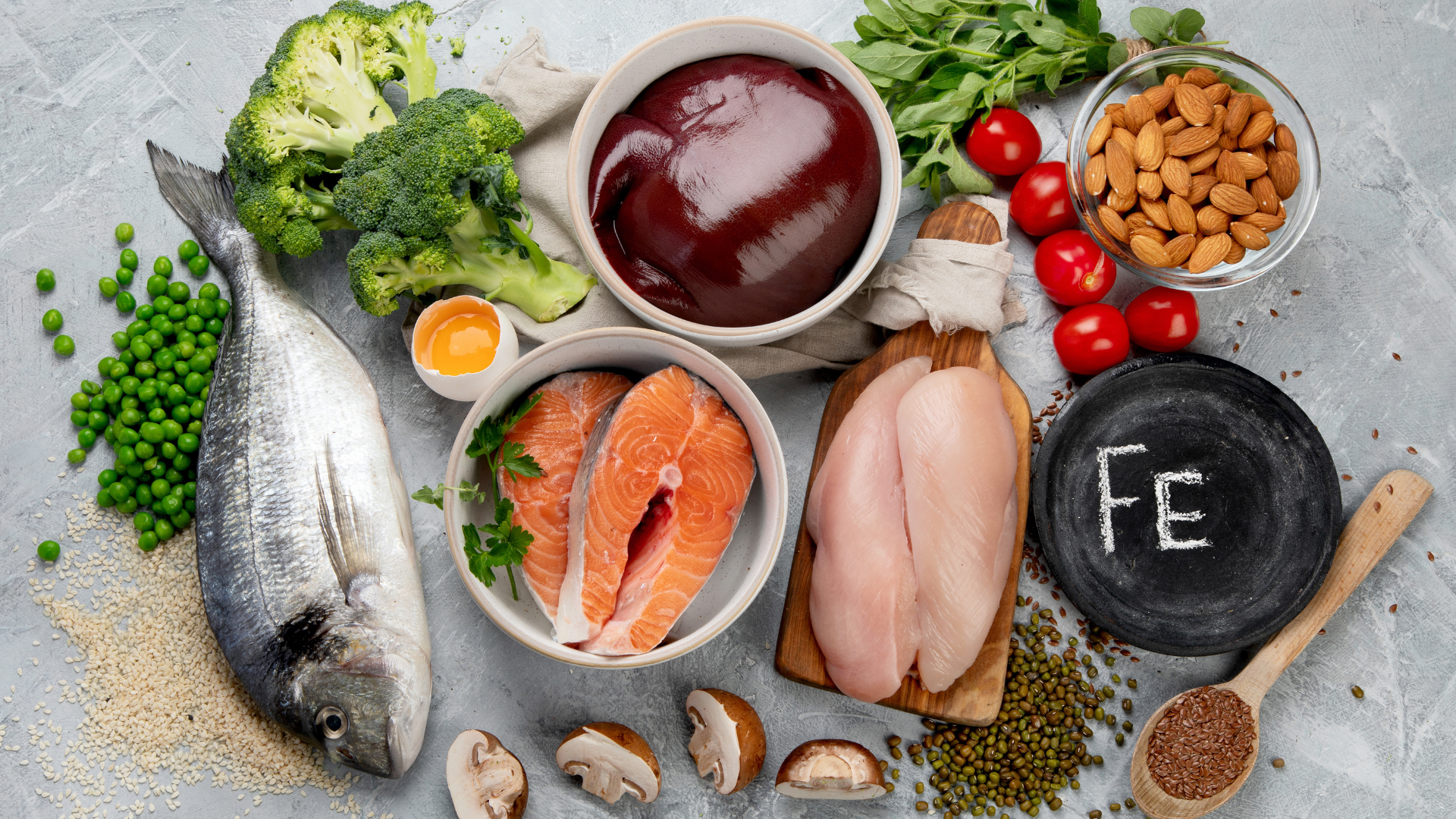
Iron supplements or iron-rich foods. What should I take?
When we talk about iron supplements, we're referring to oral supplements designed to provide iron directly to the body. But it's also crucial to consider iron-rich foods , which help maintain adequate levels of this mineral. In this article, we'll explore when it's advisable to opt for pills, when diet alone is sufficient, the benefits and risks, and how to choose a good supplement.
Why is iron important?
Iron is an essential mineral for the body: it participates in the production of hemoglobin (the protein that transports oxygen) and myoglobin (in muscles), among other roles. When there is an iron deficiency, one of the most common forms of anemia can appear: iron -deficiency anemia .
Therefore, having adequate iron levels is key for our body to function properly.
Diet vs. supplements: which to choose?

Foods rich in iron
A varied diet can provide iron. For example, sources such as red meat, legumes, fortified cereals, leafy green vegetables, and nuts are recommended options.
The advantage is that, along with iron, it also provides fiber, vitamins, and other nutrients. This contributes to a more balanced diet.
Iron supplements or pills
Iron supplements come into play when diet alone is insufficient. According to the World Health Organization, daily iron supplementation has been shown to increase iron stores and hemoglobin levels, and reduce the risk of anemia in women of childbearing age.
A Cleveland Clinic study indicates that oral forms of iron (e.g., ferrous sulfate) are a common treatment for iron deficiency anemia.
Therefore, when we talk about treatment for anemia , supplements play an essential role.
When is it advisable to take iron pills?
Some situations in which supplements may be indicated are:
- When tests show low iron or reduced ferritin (iron deposit).
- When iron absorption is impaired (for example, due to digestive diseases) or there is frequent blood loss.
- During pregnancy, iron requirements increase considerably.
- When, despite an adequate diet, levels remain low, or symptoms (fatigue, weakness) persist.
In these cases, iron pills offer a more direct route. However, they should always be taken under medical supervision , as excess iron can also have adverse effects.
How to take iron pills correctly
For iron pills to be effective, it is advisable to follow certain guidelines:
- It is best to take them on an empty stomach to improve absorption. Absorption may be reduced if taken with dairy products, coffee, tea, or foods very high in fiber.
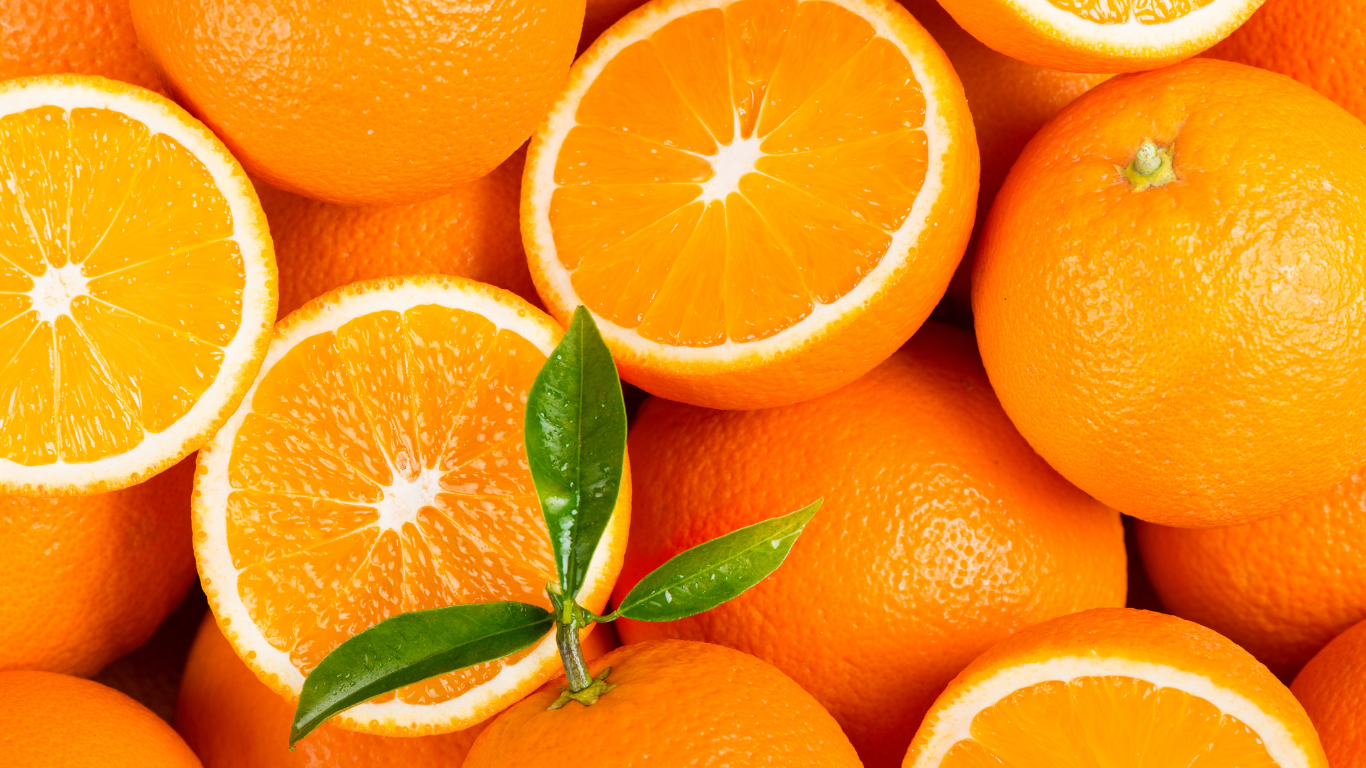
- Take with vitamin C or foods rich in vitamin C (e.g., orange juice, bell pepper) to improve the absorption of non-heme iron.
- Avoid combining them with calcium supplements, antacids, or certain drugs that interfere with iron.
- Respect the indicated dose: depending on the clinical case, doses of elemental iron between 100 and 200 mg per day are usually recommended to treat deficiencies.
- Be aware of possible side effects: nausea, constipation, and darker stools are common when taking iron supplements.
Why is diet sometimes not enough?
Although iron-rich foods are essential, there are reasons why they may not be enough:
- In many plant-based foods, iron is of the "non-heme" type, which is absorbed less efficiently than "heme" iron from animal sources.
- Factors such as gastrointestinal diseases, chronic inflammation, occult blood (e.g., in ulcers) or very restrictive diets can reduce absorption or increase losses.
- During phases such as pregnancy, childhood growth, or after surgery, the demand for iron may exceed what is obtained solely through diet.
Therefore, in certain contexts, the option of using iron supplements is logical and necessary to ensure good health.
What should you consider before starting supplements?
- It is essential that a healthcare professional confirm that the deficiency is iron (and not another mineral or vitamin).
- Assess for contraindications (e.g., some iron overload diseases).
- Continue monitoring hemoglobin, ferritin, and transferrin saturation to assess the response to treatment.
- Adjusting the duration of treatment: in many cases it is recommended to maintain it until iron stores recover, and then assess maintenance or feeding only.
- Keep in mind that the supplement does not replace a proper diet: foods high in iron and supporting absorption with vitamin C, avoiding inhibitors (such as tea or coffee when taking it) are habits that complement the treatment for anemia.
Featured supplement: IRON COMPLEX

Within the vast market of nutritional supplements, IRON COMPLEX deserves special attention. This formula is designed to support individuals with low iron levels or increased iron requirements. It combines 29 mg of iron bisglycinate , one of the most bioavailable and stomach-friendly forms of iron, with a blend of vitamins, minerals, and enzymes that contribute to overall well-being.
In addition to iron, each tablet provides key nutrients such as B vitamins (B1, B2, B6, and B12), niacin, folate, manganese, copper, and vitamin C, the latter being essential for improving iron absorption. It also includes digestive enzymes like amylase and lipase , as well as lemon bioflavonoids, which complement the antioxidant action.
Thanks to this combination, IRON COMPLEX is presented as a useful tool for those who require additional nutritional support as part of a comprehensive approach to iron deficiency anemia.
It is important to remember that, although it is an over-the-counter supplement, its use should be responsible and preferably based on an analysis that confirms the real need to increase iron intake.
Integrating diet and supplements: how to combine them?
The best strategy is often a combination of :
- A diet rich in iron includes lean meats, legumes, fortified cereals, leafy green vegetables, and nuts. Supplement with vitamin C (citrus fruits, peppers, broccoli) to improve absorption.
- If levels are low or anemia is diagnosed: consider iron pills as part of the treatment for anemia, under supervision.
- Create routines: take the supplement at the most appropriate time, avoid taking it together with absorption inhibitors.
- Perform medical and analytical monitoring to verify that the strategy is working.
- Once levels have recovered, review whether to continue with diet alone or maintain low maintenance doses.
But… iron pills or foods high in iron?

When considering iron pills or iron-rich foods , it's not about making a rigid choice, but rather evaluating your individual situation. If you're in good general health and have a varied diet, iron-rich foods alone may be sufficient. However, if you've been diagnosed with anemia or have low iron levels, iron pills can be part of the anemia treatment , always accompanied by a proper diet and under medical supervision.


Leave a comment
This site is protected by hCaptcha and the hCaptcha Privacy Policy and Terms of Service apply.