

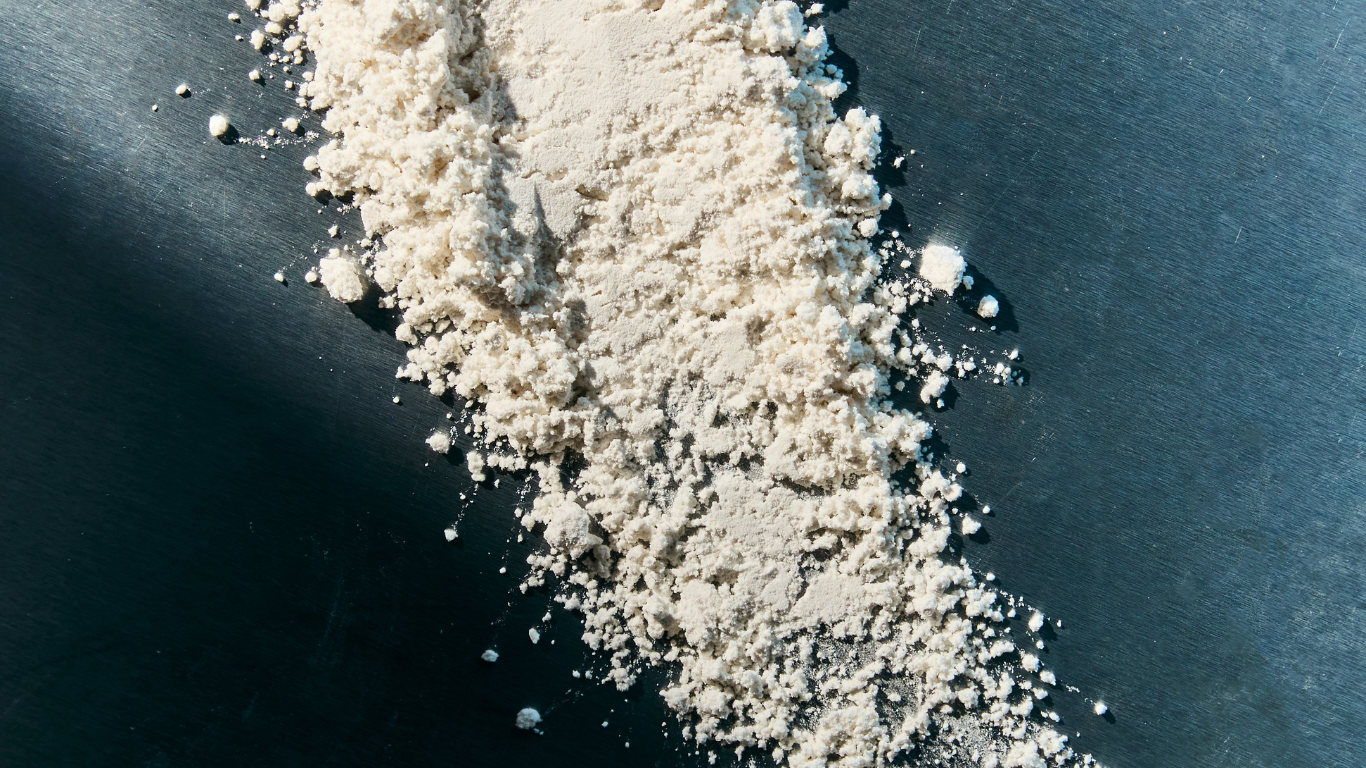
Creatine: much more than a sports supplement
For years, creatine has been associated almost exclusively with the world of sports and increased physical performance. However, scientific research over the last few decades has significantly changed this perception.
Today, we know that creatine not only influences muscle strength and power, but also plays an important role in cellular energy metabolism, making it a relevant molecule for many aspects of health.
More and more studies are exploring its impact on cognitive function, healthy aging, muscle health, and metabolic resilience, significantly broadening interest in this nutrient.
What is creatine and why is it so important for cellular energy?

Creatine is a natural compound that the body produces from amino acids and that we also obtain in small amounts through diet, mainly in meat and fish.
Once in the body, most creatine is stored in muscle, where it forms part of the creatine-phosphocreatine system, one of the most important mechanisms for regenerating ATP.
ATP (adenosine triphosphate) is the molecule that cells use for immediate energy. Every muscle contraction, every nerve impulse, and every metabolic process depends on this molecule.
The problem is that ATP reserves are very limited, so the body needs to constantly regenerate it. This is where creatine comes in, allowing rapid replenishment of ATP when energy demand increases.
Creatine and muscle health with age
One of the areas where creatine is generating the most interest is healthy aging.
With age, the body progressively loses muscle mass and strength, a process known as sarcopenia. This muscle loss not only affects physical performance but also mobility, independence, and quality of life.
Various studies have shown that creatine supplementation, especially when combined with strength training, can help to:
- Improve muscle strength
- Preserve lean mass
- Improve functionality in older adults
This makes it an interesting tool for supporting long-term musculoskeletal health.
Creatine and brain function
Although we usually associate creatine with muscle, the brain is also a tissue with enormous energy demand.
The creatine-phosphocreatine system is also present in the nervous system and helps maintain energy availability for processes such as neuronal transmission, memory, and concentration.
Some studies suggest that creatine could help improve certain aspects of cognitive function, especially in situations of mental fatigue, metabolic stress, or sleep deprivation.
This has sparked interest in its role in cognitive performance and brain health.
Creatine and metabolic resilience
Another interesting concept emerging in scientific research is metabolic resilience, meaning the body's ability to adapt to situations of energy stress.
Examples of these contexts can be:
- Intense exercise
- Lack of sleep
- Physical or mental stress
- Aging
In all these scenarios, having efficient systems for regenerating ATP is key to maintaining cellular function. Creatine precisely contributes to this energy balance, helping to stabilize ATP levels within cells.
Beyond creatine: energy metabolism is a complex system
Although creatine is a key piece in energy metabolism, it does not act in isolation.
The production and regeneration of ATP depend on multiple metabolic pathways, including:
- The Krebs cycle
- The mitochondrial respiratory chain
- The pentose phosphate pathway
- Glycolysis
In addition, these pathways require the presence of specific cofactors and substrates to allow the cellular energy system to function efficiently.
For this reason, some current nutritional approaches seek to support energy metabolism from different angles, combining compounds that intervene in different phases of ATP production.
PowerATP®: a formula designed to support cellular energy

Within this approach emerges PowerATP™, a formula that combines different bioenergetic compounds with the aim of supporting ATP production and regeneration.
Among its main ingredients are:
Creatine (Creavitalis®)
One of the most studied ingredients in sports nutrition and energy metabolism. Its role in rapid ATP regeneration makes it a central element for maintaining cellular energy.
D-ribose (Bioenergy Ribose®)
A structural sugar that forms part of ATP and participates in the synthesis of energetic nucleotides.
Magnesium bisglycinate (Albion®) Magnesium is an essential cofactor in numerous metabolic reactions related to energy production and utilization.
Malic acid
An intermediate of the Krebs cycle involved in energy production in the mitochondria.
The combination of these compounds supports different phases of energy metabolism, from synthesis to ATP regeneration.
A more complete approach to supporting body energy
We increasingly understand that the body's energy does not depend on a single nutrient or process, but on a complex and interconnected metabolic system.
Creatine has proven to be a fundamental part of this system, but when combined with other compounds involved in energy metabolism, the approach can be even more comprehensive.
Formulas like PowerATP™ precisely seek this objective: to support cellular energy from different metabolic pathways, contributing to improved physical exertion tolerance, recovery, and cognitive performance in contexts of high demand.


Leave a comment
This site is protected by hCaptcha and the hCaptcha Privacy Policy and Terms of Service apply.