

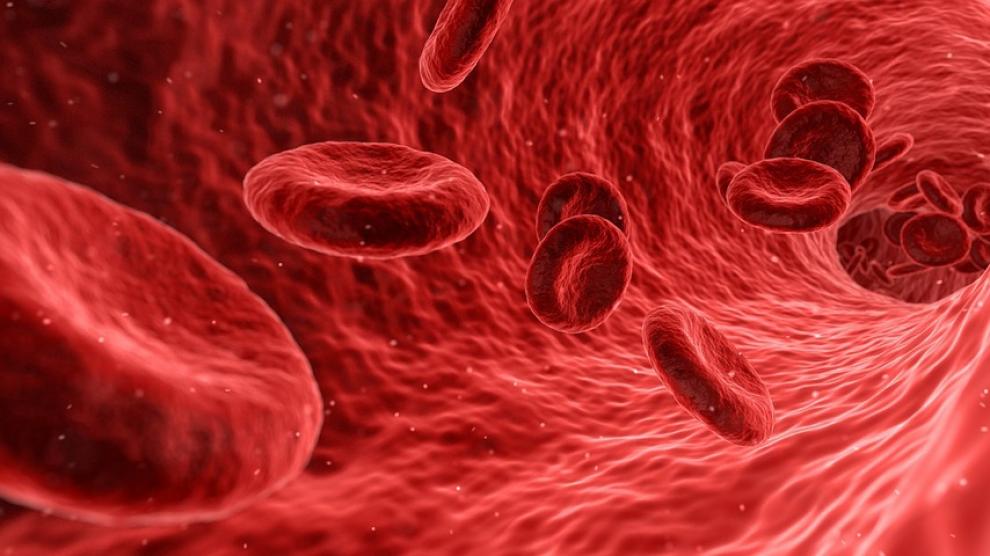
ANEMIA: NOT JUST AN IRON DEFICIENCY. A MULTIFACTORIAL APPROACH.
Author: Sergio Gómez (Innumed Clinic)
Anemia emerges as a prevalent pathology in long-term diseases, hindering or slowing down the disease reversal process.
Having anemia is directly linked to an increased risk of death from heart disease and cerebrovascular disorders, among others.
This connection is based not only on the primary causes of anemia, but also on the impact it has on tissues due to reduced oxygen availability. This problem affects nearly 2 million people worldwide .
The year 2019 saw a global prevalence of this problem of 23.17%. In Spain , this prevalence ranged between 5% and 10% , showing a slightly higher incidence compared to the 4.8% recorded in Western Europe. (1)
Anemia can develop suddenly or gradually. The symptoms vary depending on factors such as the type of anemia and how quickly the symptoms appear. There are over 400 types of anemia , which can be classified according to their underlying cause:
-
Blood loss
-
Decreased or deficient production of red blood cells
-
Destruction of red blood cells
The most common signs of anemia include fatigue, pale skin, increased heart rate, shortness of breath, capillary fragility, and episodes of dizziness.
We can distinguish three classic nutritional deficiencies common in most diagnosed cases:
-
Iron deficiency
-
Vitamin B12 deficiency
-
Folic acid deficiency
All these deficiencies will cause a problem in hematopoiesis.
Iron deficiency anemia is the most common type. In most cases, it is due, among other causes, to a lack of adequate dietary support.
In Spain, iron deficiency anemia is more prevalent in women ; specifically, it affects 20% of women of childbearing age , 40% of pregnant women , and 15% of adolescents . Furthermore, in pregnant women, it poses a risk to both the mother and the fetus.
Clinical symptoms can be hematological or non-hematological in nature:
-
Hematological symptoms are caused by a lack of oxygen, such as fatigue, weakness, difficulty concentrating, or asthenia.
-
Non-hematological effects , although their mechanism of action is not fully understood, can manifest as: restless legs, itching, hair loss, brittle nails, mouth ulcers, increased susceptibility to infections, worsening of heart failure, insomnia, and loss of appetite for meat, especially red meat in women. (2)
Megaloblastic or pernicious anemia is caused by a deficiency of vitamin B12 or folate (vitamin B9).
In the case of vitamin B12, which is not present in plant-based foods and cannot be produced endogenously by our body, it is necessary to obtain it from a diet containing products derived from animal sources.
A deficiency in these two vitamins can manifest through hematological abnormalities and neurological symptoms . The classic hematological abnormality is megaloblastic anemia, possibly accompanied by leukopenia and thrombocytopenia.
The causes can stem from nutritional deficiencies or malabsorption resulting from drug use, alcohol consumption, stomach acidity problems, or enzyme deficiencies involved in the absorption process due to other pathologies. However, a genetic component is less common and manifests in the early stages of life. (3)
These two vitamins are strongly related and a deficiency in one interferes with the metabolism of the other.

Figure 1. Hepatic methylation cycle.
Knowing that erythropoiesis requires an adequate supply of folate, vitamin B12 and iron, it is essential to use synergistic multinutrient tools and not focus exclusively on one of the factors in particular.
The standard pharmacological intervention is usually the administration of Fero-Gradumet for iron deficiency anemia and vitamin B12 or Acfol for megaloblastic anemia. In other words, the other associated factors are not taken into account, resulting in very simplistic interventions that do not reflect the complexity of human metabolism and the interrelationship of different nutrients and metabolites.
FERROUS BISGLYCINATE, THE BEST WAY

Highly bioavailable iron sources (ferrous sulfate and ferrous fumarate) are soluble in neutral or acidic aqueous environments, but can cause organoleptic changes that result in low acceptability and a shorter product shelf life, as well as causing gastrointestinal discomfort.
This problem has been addressed by chelating minerals with an amino acid, most commonly glycine, which has a structure strong enough for mineral protection in the digestive process, preventing it from being sequestered by other chelating substances and preventing it from being absorbed, and, in turn, weak enough for the release of minerals in the intestine.
The high bioavailability of chelates in digestive absorption processes has been demonstrated. (4)

Figure 2. Mineral chelated with two amino acids.
The separation of glycine from the mineral in the small intestine likely involves the action of specific enzymes such as peptidases and other digestive enzymes responsible for hydrolyzing peptide bonds in amino acids. This process is crucial for releasing the minerals bound to glycine, thus allowing absorption by the epithelial cells of the small intestine. (5)
Iron supplements produced using this method have been successful in reducing iron deficiency anemia in pregnant women, as well as an alternative in the prevention and treatment of anemia in newborns or in patients with celiac disease. (6)
Another study showed that supplementation with iron bisglycinate chelate at a dose of 0.75 mg/kg/day demonstrated comparable efficacy to that of iron sulfate at a dose of 3 mg/kg/day in two populations of preterm newborns. The two cohorts had a similar erythropoietic response, with no significant differences. (7)
We have already discussed iron, B12 and B9, but an effective intervention should not overlook the remaining "GAPS" that may exist in energy metabolism and hematopoiesis.
The other B vitamins have direct effects on energy metabolism , and a deficiency in one of them can interfere with it, causing symptoms of fatigue and anemia:
-
A vitamin B1 deficiency is something that is common in people who have diabetes or follow a diet high in processed foods.
This vitamin will interfere with the correct metabolism of glucose; it is a cofactor of the pyruvate dehydrogenase enzyme, and a deficiency of it will be a limiting factor when transforming pyruvate into Acetyl-CoA, which will cause a limitation when synthesizing ATP by the mitochondria.
This will not only reduce energy levels, but will also cause neurodegenerative problems. (8)
-
Vitamin B2 deficiency impairs iron metabolism, affecting both its absorption via the intestine and the metabolic pathway that uses iron for hemoglobin synthesis. Hemoglobin is a protein contained in red blood cells, without which they cannot properly transport oxygen to the cells. (9)
In addition, vitamin B2 is also part of the metabolism of folate and nucleotides.
-
Niacin or vitamin B3, which is a precursor of NAD+, a fundamental molecule for energy metabolism, a fundamental part of mitochondrial respiration.
-
Vitamin B6 has the ability to enter the mitochondria once converted into its active form, pyridoxal phosphate, acting as a cofactor for several mitochondrial enzymes such as synthases, ligases, aminotransferases, hydroxymethyltransferases, and desulfurases, which are fundamental for ATP synthesis. (10)
To facilitate iron absorption, it is also strategic to incorporate vitamin C and Betaine HCL.
-
Vitamin C increases iron bioavailability, even in the presence of inhibitory factors. Ascorbic acid promotes an acidic environment in the stomach that allows for iron absorption. Furthermore, it forms soluble chelates with this mineral in the stomach and maintains this condition even in the alkaline environment of the small intestine, where absorption inhibitors such as phytates and tannins exert their effect. (11)
-
Betaine HCl is the hydrochloride salt of betaine. Betaine HCl readily releases H+ in an aqueous environment (approximately 0.65 mmol/100 mg), and because of this, it is important that betaine HCl supplements are in tablet form when ingested .


%0A%0A%20Anemia%20emerges%20as%20a%20prevalent%20pathology%20in%20long-term%20diseases,%20hindering%20or%20slowing%20down%20the%20disease%20reversal%20process.%0A%0A%20Having%20anemia%20is%20directly%20linked%20to...)
Leave a comment
This site is protected by hCaptcha and the hCaptcha Privacy Policy and Terms of Service apply.